
This post contains affiliate links. If you book through them we may earn a small commission, at no extra cost to you. More in our Affiliate Disclosure.
There’s a question we keep getting asked since we got back.
“Was Japan worth it with teenagers?”
Every. Single. Time.
And our answer is always the same: it wasn’t just worth it. It was the best trip we’ve taken as a family in years. Maybe ever.
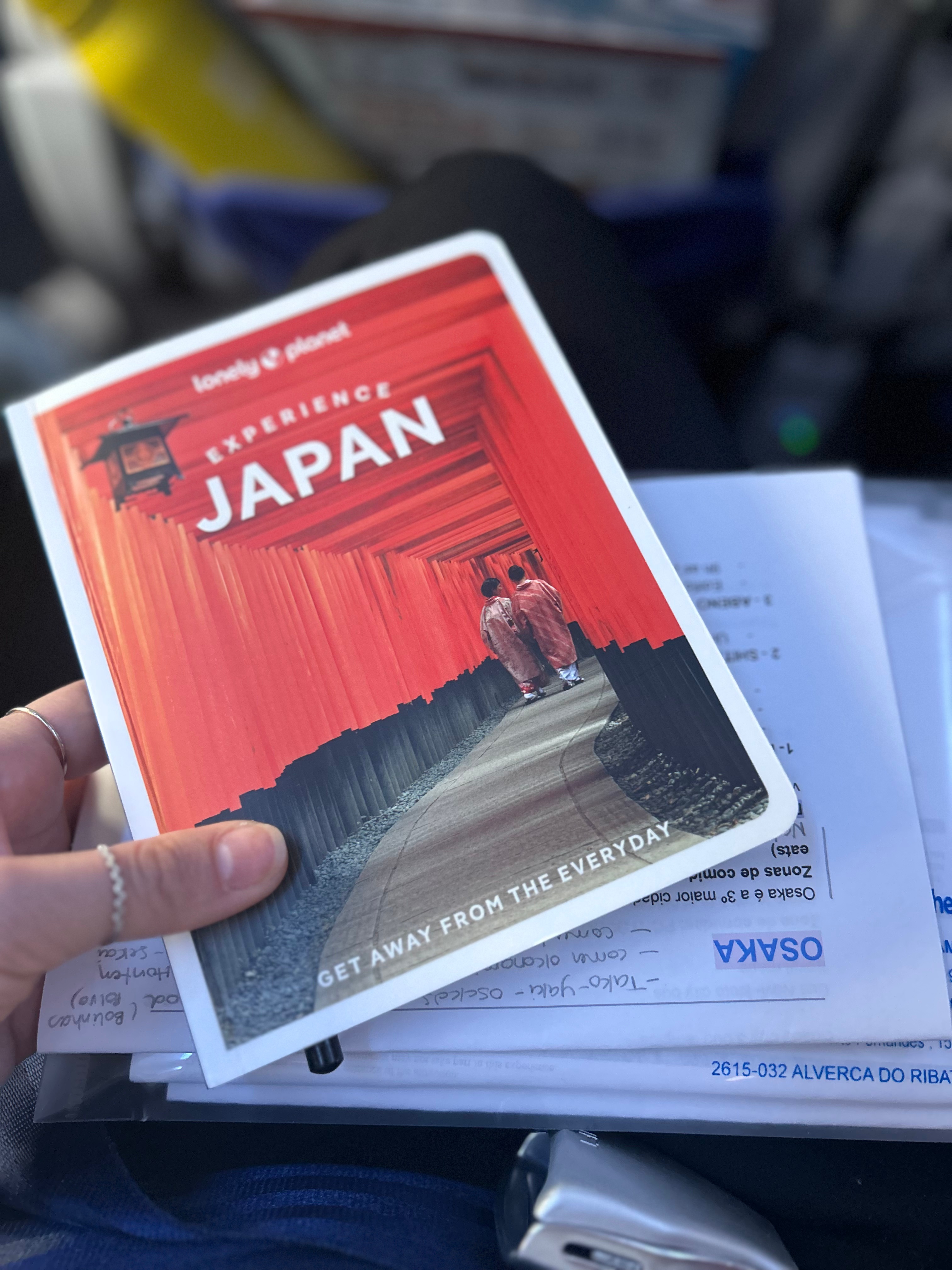
We landed in Osaka on March 30th, bleary-eyed after a long-haul flight, dragging two teenagers (16 and 14) and entirely too much luggage. We left Tokyo on April 11th with heavier bags, lighter wallets, and the kind of quiet you only get after something genuinely moves you.
Thirteen days. Five destinations. One very unexpected conversation about gluten-free ramen at 11pm in a Kyoto backstreet.

Here’s the honest version.
🗺️ The Route
We did a classic but well-paced loop: Osaka → Nara (day trip) → Kyoto → Hakone → Tokyo.
Flying into Osaka and out of Tokyo meant no backtracking, no rushing, no wasted travel days. If you’re planning Japan for the first time, this loop works beautifully. It flows naturally, the train connections are simple, and each city has its own rhythm — which matters a lot when you’re travelling with people who have opinions about everything.

🌸 The Cherry Blossoms (We Got Lucky)
We didn’t plan the trip around sakura. We planned it around school holidays.
But we arrived just as the cherry blossoms hit full bloom across western Japan — and it turned every walk, every castle, every riverside detour into something almost unrealistically beautiful. Our first morning in Osaka, we walked to the castle and just stood there. The kids, who had spent most of the flight watching Netflix, suddenly had their phones out and were photographing everything.

That’s the thing about Japan in spring. It doesn’t let you stay indifferent.
🍜 The Food (A Coeliac’s Quiet Paradise)
I have coeliac disease. I’ve written before about navigating Italy gluten-free — which, honestly, was a battle. Japan was the opposite.
Japanese food is naturally built around rice, fish, tofu and vegetables. The diversity of what I could eat safely was almost overwhelming. Ramen made with rice noodles, onigiri from the convenience store at midnight, sushi without a second thought — I can’t remember the last time I travelled somewhere and genuinely didn’t stress about food.

A note on soy sauce: many brands contain wheat. Ask for tamari, which is the gluten-free version. Most restaurants had it when asked. The allergy awareness throughout the trip was genuinely impressive.
For our kids? They ate everything. My 14-year-old, who at home would rather negotiate a peace treaty than try something new, ate octopus takoyaki on day one and asked to go back for more.
👨👩👧👦 Travelling With Teenagers: The Real Talk
I’ll be honest. I was a little nervous.
Teenagers are wonderful creatures who are simultaneously enthusiastic and deeply inconvenienced by existence. A 13-day trip to the other side of the world with no beach felt like a gamble.
It wasn’t. Japan hooked them immediately. The sheer strangeness of it — vending machines on every corner, trains that run to the second, convenience stores serving hot food at 2am, video game arcades that are actual multi-floor buildings — kept them engaged in a way a beach holiday simply couldn’t.
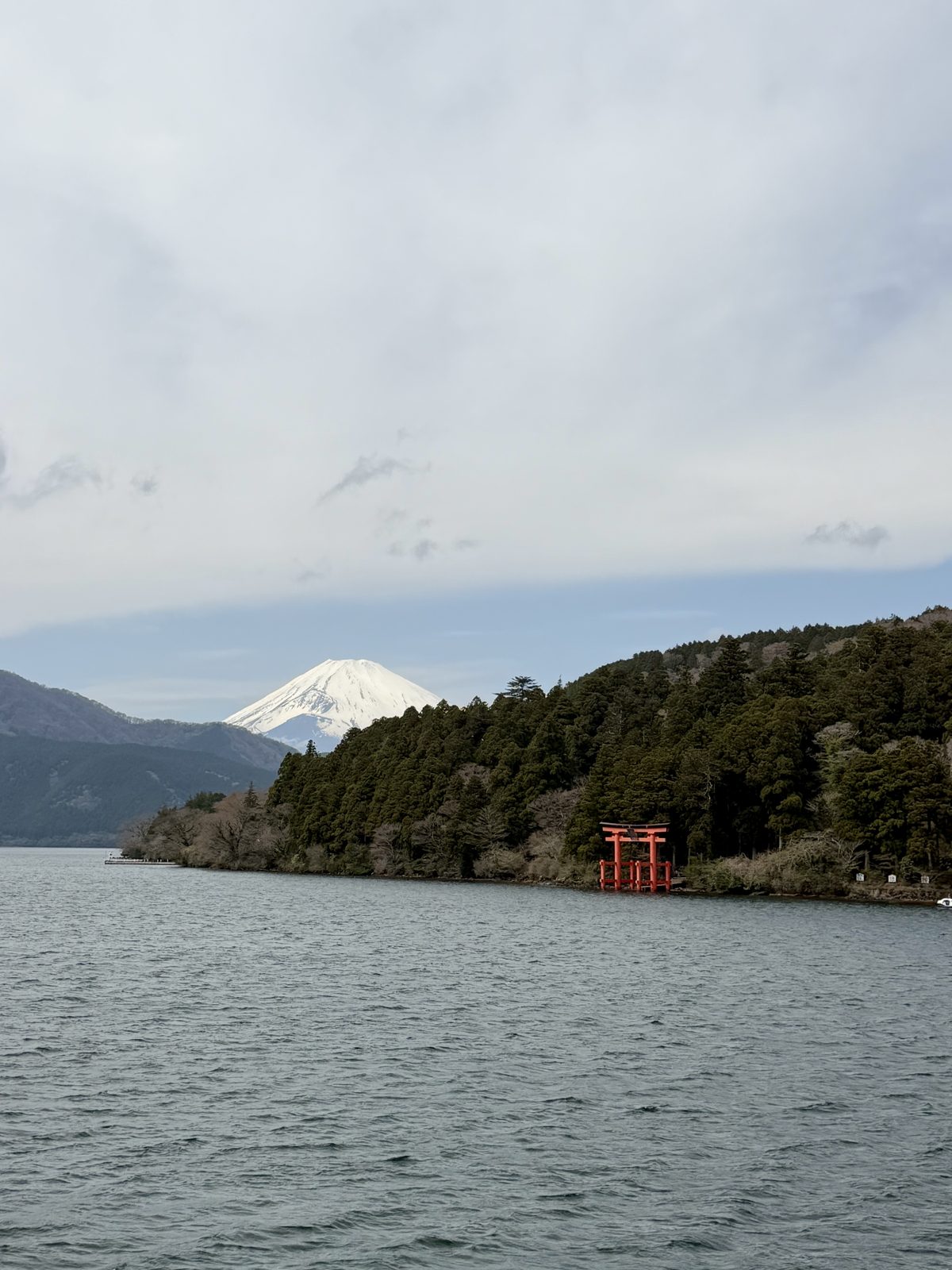
Akihabara broke my son’s brain (in the best way). The deer park in Nara made my daughter laugh louder than I’d heard in months. And standing on the shore of Lake Ashi with Mount Fuji emerging from clouds above us — nobody said a word. We just watched.
Those are the moments you travel for.
💴 Was It Expensive?
Japan has a reputation for being costly. That reputation is slightly misleading.
Yes, flights from Portugal are a significant investment. Yes, accommodation in peak sakura season carries a premium. But day-to-day living — ramen shops, convenience stores, local food — is genuinely affordable. We often spent less on a full dinner for four than we would in Lisbon.
We read a lot about the JR Pass but for us it wasn’t necessary — we ended up buying each train ride separately and it worked out cheaper than buying 4 JR Passes.
📱 The App That Saved Us: Klook
Here’s something nobody warned us about: Japanese websites are genuinely very difficult to navigate in English. Translation rarely works properly, booking flows break, and buying tickets directly through official sites was, for us, often impossible.
We used Klook throughout the trip and it solved this completely. Train tickets, museum entrances, the Shibuya Sky observation deck, temple access — all booked in minutes through an app that works natively in English, with instant confirmation and mobile tickets. No translation headaches, no broken booking flows, no stress at the gate.
It became our default booking method for everything in Japan, and we’d use it again without hesitation.
🔗 Browse Japan experiences and tickets on Klook (affiliate link — we only recommend things we’ve used ourselves)
📚 The Full Series
This is the overview. The deep dives — hotels, restaurants, what we actually did, what we’d skip — are in the individual city posts below.
- 🟠 Osaka: Arrive Tired, Leave Obsessed
- 🦌 Nara in Half a Day: The Deer, the Temples, and the Kid Who Finally Put His Phone Down
- ⛩️ Kyoto With Teenagers: What Nobody Tells You About Temple Overload
- 🗻 Hakone with Teenagers: A Ryokan Night, a Gluten-Free Burger and Mount Fuji
- 🎫 Is the Hakone Freepass Worth It for a Family of Four? The Real Maths
- 🌆 Tokyo in Four Days: Enough to Fall in Love, Not Enough to Say Goodbye
Have questions? Drop them in the comments — we read and reply to everything.
Keep reading: Osaka with teenagers · Nara in half a day · Kyoto with teenagers · Hakone with teenagers · Tokyo in four days
⚠️ Gluten-Free Disclaimer
The food and restaurant recommendations on this blog reflect our personal experiences at the time of our visit. Menus, ingredients, and kitchen practices change — we cannot guarantee that any establishment remains safe for coeliacs or people with gluten intolerance. Always verify allergen information directly with the restaurant before ordering. For full details, please read our Gluten-Free Content Disclaimer.

Leave a Reply