
This post contains affiliate links. If you book through them we may earn a small commission, at no extra cost to you. More in our Affiliate Disclosure.
Northern Sardinia is one of those places you hear about for years before you finally go. The turquoise water, the rugged coastline, the kind of beaches that look unrealistic in photographs. In July 2025, we finally made it — and it delivered everything we hoped for, with a few surprises we weren’t expecting.
This is our honest guide to northern Sardinia as a family. Not a highlights reel — a real account of what worked, what didn’t, and everything you need to plan your own trip.
🗺️ How Long to Spend in Northern Sardinia
We spent one week in northern Sardinia and it was the right amount of time to see the key areas without rushing. A long weekend (4-5 days) is possible but you’ll feel the pace. Two weeks would let you explore the northeast coast more thoroughly and venture south towards Oristano or the Barbagia interior.
Our base was the Santa Teresa Gallura area in the far north, which put us within reach of the best beaches, the ferry to Corsica, and the scenic roads of the Gallura region. We’d recommend this as your anchor point if it’s your first time in northern Sardinia.
✈️ Getting There: Flying into Olbia
The main entry point for northern Sardinia is Olbia Costa Smeralda Airport (OLB). It’s well-connected from most European cities, especially in summer when seasonal routes multiply. From Lisbon, we had a direct flight.
Car hire is essential. There is no realistic way to explore northern Sardinia’s beaches without a car — buses are infrequent and don’t reach the coastal spots worth visiting. We hired a Peugeot 206 through Rentalcars.com — economical, insurance included, no complications. Book in advance for summer, especially July and August when availability drops and prices spike.
🔗 Compare car hire prices for Sardinia on Rentalcars.com (we used this ourselves)
Practical tip: Sardinian roads outside the main towns are narrow and winding. A smaller car makes a real difference. The roads in the Gallura region are scenic but demand attention — not the place for a large SUV if you’re not used to it.
🏨 Where to Stay in Northern Sardinia
We split our stay between two properties and would recommend both with caveats.
Punta Falcone was our first base — a well-located property with direct sea access and beautiful views. The location is hard to beat: close to Santa Teresa Gallura, with easy access to the northern beaches. The surprise we hadn’t anticipated was a persistent wasp problem that made outdoor meals a significant challenge. It wasn’t a dealbreaker, but worth knowing.
Tenuta Lu Baroni was our second stay — set slightly inland, quieter, with a more rural Sardinian character. Good base for exploring the interior as well as the coast.
For families, self-catering accommodation works very well in northern Sardinia — supermarkets are accessible, local produce is excellent, and having a kitchen removes the pressure of eating out every night.
🔗 Search accommodation in northern Sardinia on Booking.com (affiliate link)
🌊 Best Beaches in Northern Sardinia
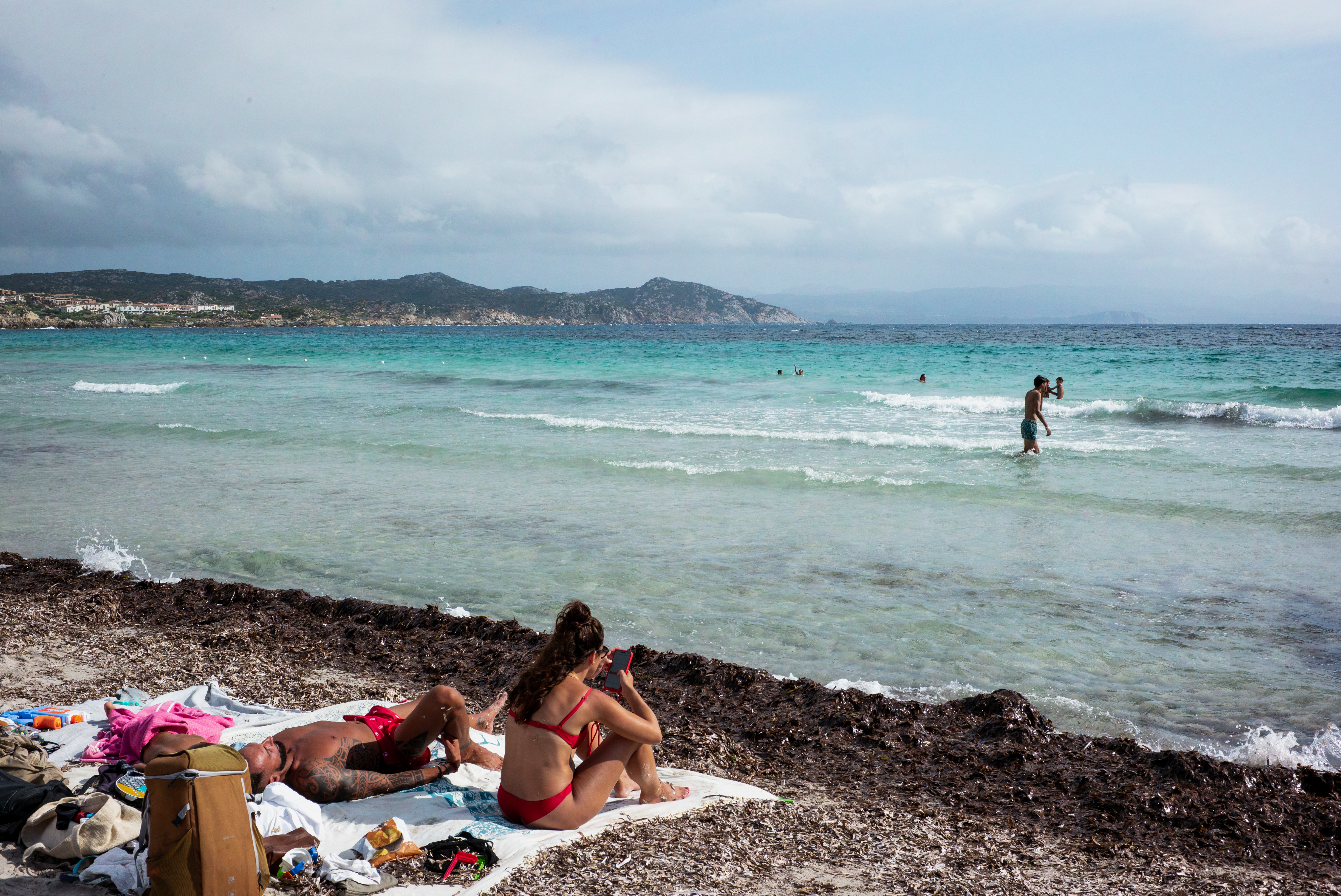
This is what most people come to northern Sardinia for — and the beaches genuinely live up to the reputation. The water is warm (around 25°C in July), extraordinarily clear, and the variety of coastline is remarkable. Here’s what we visited:
Spiaggia Rena Bianca
One of the most famous beaches near Santa Teresa Gallura. Fine white sand, shallow clear water, easy access from town. This is a ticketed beach — entry is limited and tickets sell online 48-72 hours in advance. We secured ours; many don’t. Book early or arrive at opening time.
Spiaggia Li Cucutti & Spiaggia La Marmorata
Both are free-access beaches that rival the famous ticketed ones. Li Cucutti has a beautiful natural setting with rocks and crystal water; La Marmorata is slightly more developed but excellent for families. These became our go-to spots after we pivoted away from the ticketed system.
Spiaggia di Cala Spinosa
Small, intimate, requires a climb down — but worth every step. One of the most beautiful spots of the whole trip. Go early, it fills up. No facilities, bring water and snacks.
Porto Cervo & the Costa Smeralda
Porto Cervo is the flagship resort of the Costa Smeralda — polished, expensive, full of luxury yachts. Worth a visit to see it, but it’s a different world from the rest of northern Sardinia. The beaches in this area are stunning but often private or associated with beach clubs that charge significant fees.
Isola Santa Maria (boat trip)
We took a boat trip from Porto di Santa Teresa to Isola Santa Maria — one of the highlights of the week. The coastline from the water is extraordinary, and the island itself has several beautiful spots. Boat trips depart regularly in summer; book the day before or early morning.
⚠️ The Paid Beach System in Northern Sardinia
This catches a lot of visitors off guard. Many of northern Sardinia’s most famous beaches operate a limited entry system to protect the environment. Tickets are sold online, often 48-72 hours in advance, and sell out quickly in peak season.
We only managed to secure tickets for Rena Bianca — and honestly, the free-access beaches we found as alternatives were equally beautiful. Our advice: don’t structure your trip entirely around ticketed beaches. Have a list of free alternatives and you won’t be disappointed.
If you do want the ticketed beaches, set a calendar reminder and book the moment the 72-hour window opens. Popular beaches sell out within minutes on hot-weather forecasts.
🍽️ Eating Gluten-Free in Northern Sardinia
This section is especially for coeliacs and those with serious gluten intolerance — and I’ll be direct: northern Sardinia is challenging.
Unlike Japan, where the food culture is naturally gluten-aware, or even Portugal, where most restaurants understand allergens, Sardinia’s tourist restaurants often lack allergen information on menus and staff training on cross-contamination is inconsistent. I asked about gluten-free options in several restaurants and received confident answers that I didn’t fully trust.
My safe default throughout the week was tagliata di manzo — grilled beef with rocket and Parmesan. It’s naturally gluten-free, widely available, and genuinely delicious. But eating variations of the same dish every day gets old.
The best solution we found: self-catering. We shopped at EuroSpin and local markets and prepared the majority of our meals. This was stress-free, significantly cheaper, and actually gave us access to excellent local ingredients — fresh fish, local cheeses, Sardinian vegetables. It became one of the highlights of the trip.
Practical tips for coeliac travellers in northern Sardinia:
- Learn the Italian phrase: “Sono celiaco/a. Posso mangiare solo cibo senza glutine. C’è rischio di contaminazione crociata?”
- Grilled fish and meat with salad are your safest restaurant options
- EuroSpin stocks a reasonable gluten-free range at good prices
- Avoid pasta dishes even when marked GF unless you can verify the kitchen setup
- The Find Me Gluten Free app has limited coverage in Sardinia but is worth checking
🏙️ Santa Teresa Gallura: Our Base Town
Santa Teresa Gallura is the main town in the far north of Sardinia, close to the Strait of Bonifacio that separates the island from Corsica. It’s lively in summer, with a good selection of restaurants, bars, and shops clustered around the main square.
It’s not glamorous in the way Porto Cervo is, but that’s exactly the point. It feels like a real Sardinian town that happens to have excellent beaches nearby. We’d choose it again as a base over the Costa Smeralda resorts.
The ferry to Bonifacio in Corsica departs from here — a good half-day or day trip option if you want to add a different island to the mix.
📅 When to Visit Northern Sardinia
June and September are the sweet spots — warm enough for swimming, significantly less crowded, and beach tickets are easier to secure. Prices for accommodation drop noticeably outside of July and August.
July and August (when we went) are peak season — hot (35°C+), busy, and expensive. The beaches are worth it but you need to plan ahead. Book accommodation months in advance.
May and October are possible for those who don’t mind cooler water — the landscape is beautiful and the island is almost to yourself.
❓ Northern Sardinia FAQ
Is northern Sardinia good for families?
Yes — the calm, shallow beaches are ideal for children, self-catering accommodation is widely available, and the pace of life suits families well. The main challenge is logistics: you need a car for everything.
Is northern Sardinia expensive?
Peak season (July-August) is expensive — comparable to the south of France. June and September offer much better value. Self-catering reduces costs significantly.
Northern vs southern Sardinia — which is better?
The north has the most famous beaches and is easier to access from Olbia. The south (Cagliari area) is less touristy and often cheaper. We haven’t done the south yet — it’s already on the list.
Do you need to speak Italian?
English is understood in most tourist areas, but basic Italian goes a long way — especially in restaurants and smaller towns. Sardinians are warm and patient with tourists.
🗺️ Final Verdict: Would We Go Back?
Yes. Without hesitation.
Northern Sardinia in July is hot, occasionally windy, sometimes full of wasps — but also genuinely extraordinary. The water alone is worth the trip. We’d go back in September, book the accommodation earlier, and spend more time on the free beaches we discovered by accident.
The south of the island is already calling.
Keep reading: Gluten-free in Northern Italy · Northern Italy itinerary: Bergamo to Milan · Why Venice surprised me
⚠️ Gluten-Free Disclaimer
The food and restaurant recommendations on this blog reflect our personal experiences at the time of our visit. Menus, ingredients, and kitchen practices change — we cannot guarantee that any establishment remains safe for coeliacs or people with gluten intolerance. Always verify allergen information directly with the restaurant before ordering. For full details, please read our Gluten-Free Content Disclaimer.


Leave a Reply